from the Glass Encyclopedia
from the Glass Encyclopedia
from the Glass Encyclopedia
 above: "Balloon Rally" engraved sculptured glass by Steuben (1985)
|
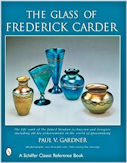
Steuben Glass: A short explanation Steuben Glass has been making stunning high quality glass for well over a hundred years, since 1903. Many major pieces and limited edition designs, like the "Balloon Rally" engraved sculpture on the left, have given Steuben Glass an oustanding reputation for superb design and faultless production. They also produce high quality crystal tableware and glasses. The company trade mark is a Fleur de Lys, which may have the name STEUBEN on a banner across it in capital letters. Some Steuben glass is just marked STEUBEN, and coloured pieces by Frederick Carder were sometimes signed F. Carder, or marked with the name of the glass (eg AURENE). Very early Steuben crystal glass, produced as blanks for other companies, may be signed with the other company's name or trademark, for example Hawkes. The Steuben Glass factory was set up in 1903 in Corning, New York, financed by Thomas G. Hawkes and directed by Frederick Carder, recently immigrated from England. Hawkes wanted a factory to make crystal blanks for his highly successful engraving and cutting company. Carder, disillusioned at not being appointed Artistic Director of Stevens and Williams Glass Works in the UK, wanted a factory where he could design, develop, and produce highly artistic glass. The Steuben Glass company fulfilled both their aims, and was a highly successful venture for over twenty years. The glassware designed and produced by Carder was amongst the most superb made in its day. It rivalled Tiffany glassware for quality and design, and indeed at one stage Tiffany accused Carder of stealing the patented "Favrile" surface treatment with his "Aurene" and "Blue Aurene" series. Aurene was Carder's most popular kind of glass in those years from 1904 to the mid 1920's. It continued in production until approximately 1930. Amongst his other famous types of glass were Verre de Soie, Calcite, Cluthra, Cintra, Moss Agate, and Intarsia, to name but a few. Soon after the first world war began in 1914 there was a shortage in the supply of raw materials for glass making, and the Government restricted supplies to companies like Steuben in favour of those like Corning Glass Works that were producing essential supplies for the war effort (laboratory glass and optical glass, for example). By 1918 Corning Glass had bought Steuben Glass Works, but did not interfere too much with Frederick Carder's control of the operation until the art glass producing company ran into difficulties in the 1920's. |